

Employment-Based Immigration vs. Work Visas: What’s the Difference?
Employment-Based Immigration vs. Work Visas: What’s the Difference?
Whether you’re a skilled professional already in the United States or an employer eager to bring global talent on board, understanding work visas and employment-based green cards is key to your success.
At Altitude Visas, attorney Lorianne Cercenia helps professionals and employers nationwide navigate these options to ensure the right path is chosen for each situation. These pathways are not mutually exclusive—many foreign nationals begin their U.S. immigration process with a work visa and later pursue an employment-based green card to secure permanent residency.
What Is a Work Visa?
A U.S. work visa is a temporary, non-immigrant visa that allows foreign nationals to work in the United States for a set period of time. These visas are often tied to a specific job, employer, or contract. Because they are temporary, you’ll need to renew them, switch to another visa, or plan your next step when they expire.
Common types of work visas include:
- H-1B Visa: For specialty occupations that require at least a bachelor’s degree.
- L-1 Visa: For intra-company transferees such as managers, executives, or employees with company knowledge.
- O-1 Visa: For individuals with extraordinary ability in sciences, arts, business, or athletics.
- E-3 Visa: For Australian nationals in specialty occupations.
- TN Visa: For Canadian and Mexican professionals under the USMCA.
Key takeaway: A work visa provides lawful status to work in the U.S., but it is temporary and does not grant permanent residency.
What Is Employment-Based Immigration?
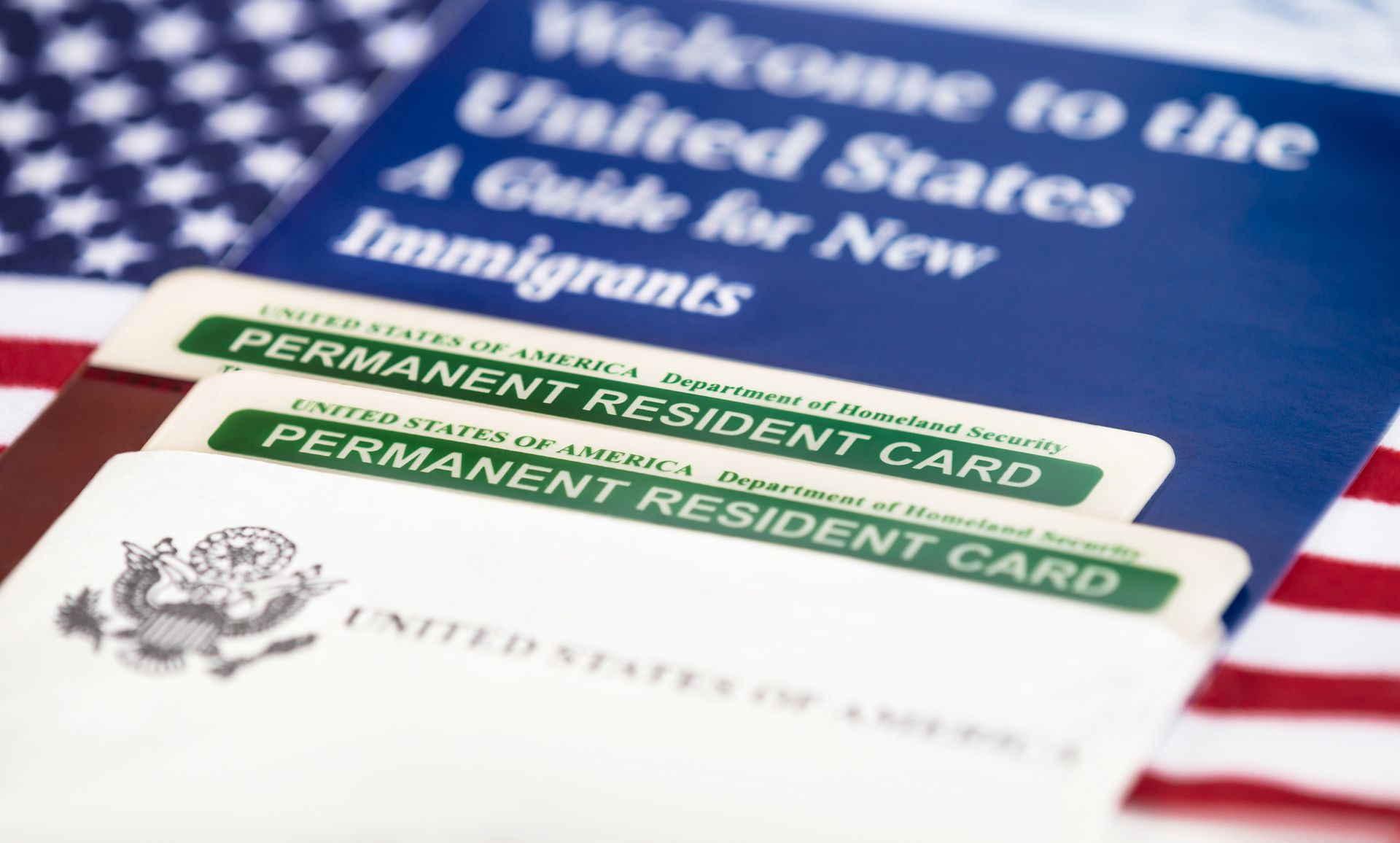
Employment-based immigration leads to a U.S. green card (lawful permanent residency), granting the freedom to live and work in the United States long-term. It also opens the door to U.S. citizenship after approximately five years.
The most common employment-based green card categories include:
- EB-1: For trailblazers with extraordinary abilities, top researchers, or multinational executives/managers (no labor certification required).
- EB-2: For professionals with advanced degrees or exceptional skills (requires PERM Labor Certification).
- EB-2 National Interest Waiver (NIW): For individuals with advanced degrees or exceptional ability who can show their proposed endeavor has substantial merit and national importance to the U.S.
- EB-3: For skilled workers, professionals, or other workers with varying experience levels (requires PERM Labor Certification).
Key takeaway: Employment-based immigration is a permanent solution, offering stability and the opportunity to live and work in the U.S. indefinitely.
Key Differences Between Work Visas and Employment-Based Immigration (Green Cards)
While both work visas and employment-based green cards allow foreign nationals to contribute their talents to the U.S. economy, they differ significantly in purpose and permanence.
Work visas are typically temporary, lasting between three to seven years, and are tied to a specific employer. They grant legal permission to work but do not provide permanent residency or a direct path to citizenship.
Employment-based green cards, on the other hand, offer permanent residency with no expiration date. Green card holders can live and work anywhere in the U.S. and are eligible to apply for citizenship after maintaining permanent resident status for about five years.
In short, a work visa is often a stepping stone — while a green card is the destination.
Why the Right Guidance Matters
Deciding between a temporary work visa and pursuing an employment-based green card depends on your goals, background, and opportunities. Employers must also consider which path best supports their workforce needs.
At Altitude Visas, attorney Lorianne Cercenia provides expert immigration guidance to both individuals and companies nationwide. She works with professionals who want to advance their careers in the U.S. and with employers seeking to bring top global talent into their organizations.
From filing work visa petitions to managing the multi-step green card process, Altitude Visas helps you move forward with clarity and confidence.
Start Your Immigration Journey Today
Whether you’re seeking a temporary work visa or exploring employment-based green cards for permanent residency, choosing the right path is one of the most important steps in your U.S. immigration journey.
👉 Request a Consultation with Altitude Visas today to discuss your options and take the next step toward building your future in the United States.